The 7 Biggest Home Delivery Challenges
Anita
April 15, 2025

The 7 Biggest Last Mile Home Delivery Challenges
A Retail Insider study found that about 57% of U.S. businesses say the last mile is the least efficient link in their supply chain. The COVID-19 pandemic in 2020—not to mention the logistics crises that followed—has further highlighted the importance of e-commerce and the difficulties of this last, crucial step in getting your order to the customer. Learn how to overcome issues and build bulletproof supply chain!
Table of Contents
Table of Contents
- Home Delivery: A Logistics Puzzle
- 1. High costs
- 2. Inefficient route planning
- 3. Incorrect or incomplete addresses
- 4. Unpredictable transport
- 5. Lack of transparency
- 6. Shortage of drivers and seasonal workers
- 7. Returns management
- How can technology help?
- Summary
Home Delivery: A Logistics Puzzle
Same-day and next-day deliveries are becoming more common—but they remain a logistical nightmare for businesses. Shoppers are increasingly demanding, and retailers are facing increasing pressure to deliver faster, cheaper, and more predictably. And for good reason—55% of consumers say they will switch brands or retailers if a competitor offers faster, more reliable delivery. But speeding up the delivery process comes with operational costs and challenges. The last mile of delivery has a huge impact on the customer experience and the bottom line – for both mid-sized businesses and large corporations. **Below you will find the 7 most important challenges that companies face when delivering last mile – and how to overcome them.
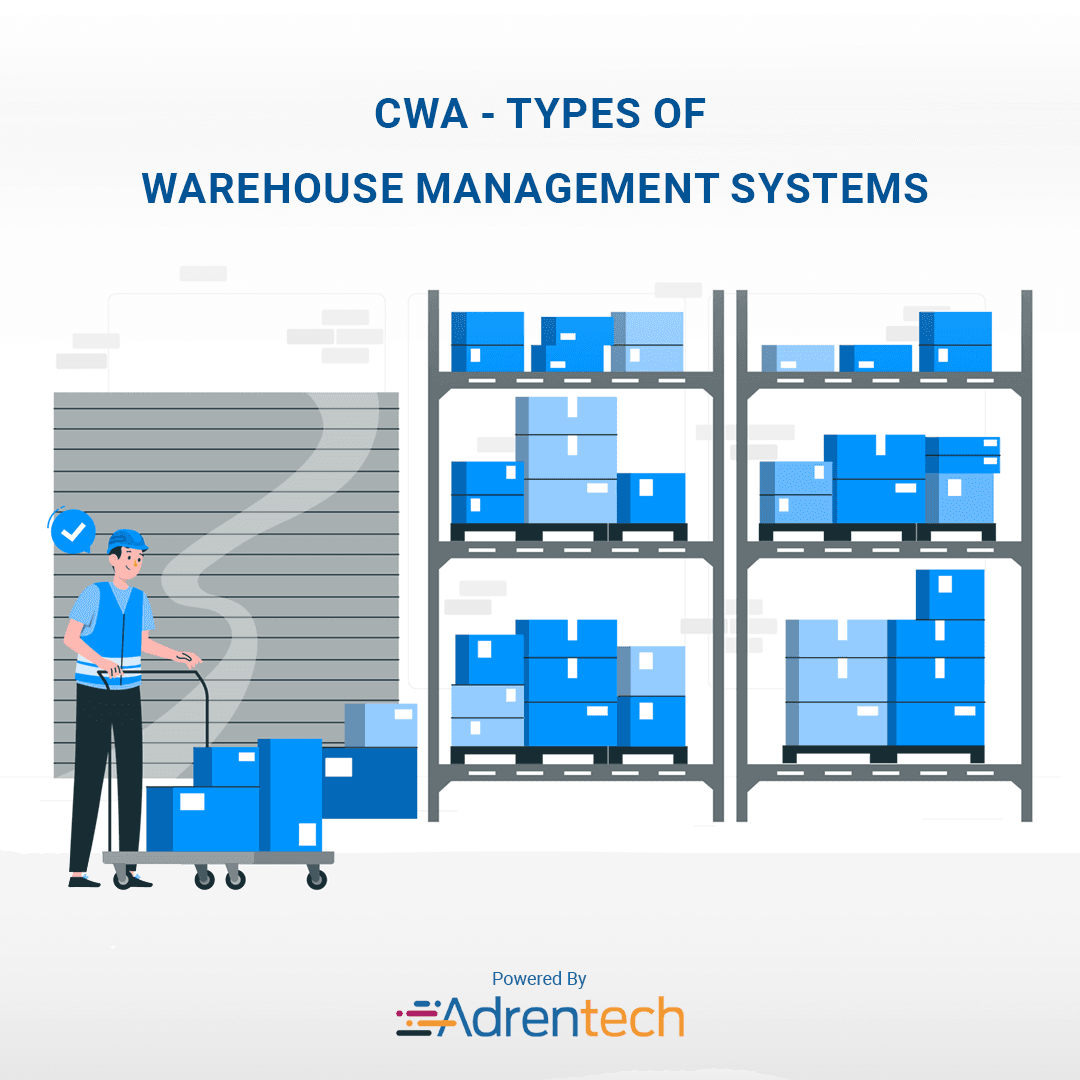
1. High costs Although 86% of consumers are willing to pay for express delivery, it is still a big financial problem for companies. The volatility of demand makes planning difficult – it is not known how many goods to store, how many employees to hire temporarily, or what costs to expect. Feels Familiar? Let's talk about Warehouse Management System - Centralized Warehouse In addition, there are the costs of storage, fuel, vehicle maintenance, courier work, and the risk of missed deliveries. Each attempt to re-deliver a package doubles the cost of delivery.
2. Inefficient route planning Route optimization is a real challenge – it depends on many variables: driver skills, traffic conditions, time of day. And without careful planning, it is impossible to deliver efficiently and on time. Delays in delivery affect not only costs, but also customer satisfaction. Failure to deliver on time promises damages brand reputation and reduces customer loyalty.
3. Incorrect or incomplete addresses As many as 65% of retailers believe that poor address data quality affects delivery profitability. Human errors when manually assigning tasks, unverified addresses, or non-obvious locations (e.g. construction sites) – all of this makes the work of couriers difficult and increases the risk of failed deliveries.
4. Unpredictable transport Traffic jams, accidents, weather changes – not everything can be planned. In such situations, flexibility and fast communication are key. The system should enable dynamic response to changes and inform the customer about delays in real time.
5. Lack of transparency Nowadays, customers expect to be able to track their parcel at every stage. Lack of status updates is a source of frustration, complaints, and bad reviews. But without the right tools to collect data from the courier application, ensuring such transparency is difficult – and expensive.
6. Shortage of drivers and seasonal workers During peak seasons, such as holiday periods or sales, companies often do not have enough drivers to meet demand. Hiring and training temporary workers on time can be difficult, especially with fluctuating volumes and short order turnaround times.
7. Returns management The product returns process is becoming an integral part of the shopping experience. A poorly planned returns process generates additional costs and burdens logistics, especially in the home delivery model. Customers expect easy and free returns – which in turn poses further operational and financial challenges for companies.
How can technology help?
Solving these challenges does not have to be impossible. The right technology tools can completely change the way last-mile deliveries are managed.
Software Automation
Automatic order assignment, SMS and email notifications for customers, electronic receipt confirmation – all of this increases efficiency and eliminates human error. Automation also allows you to collect data that helps further optimisation. Excellent tracking system, efficient warehouse management or accessible knowledge base, interested? Meet top selling Adrentech products!
Route optimisation
Artificial intelligence-supported systems can determine the most economical routes in real time. This allows you to react to traffic jams, changes in road conditions or new orders.
Full visibility
Modern driver applications allow you to monitor the status of each delivery in real time, which translates into greater operational control and better exception management. This visibility can also be passed on to customers - which increases their trust and reduces the number of inquiries about the status of the order.
Summary Last mile home delivery is currently one of the biggest headaches in the entire supply chain – and for good reason. For many companies, this final step, which involves delivering the order directly to the customer, is associated with huge organizational, cost and technological challenges. In an era of instant online shopping and rising customer expectations, the speed and reliability of delivery is becoming a key factor influencing purchasing decisions. Do you want to learn how to improve and scale your supply chain? Sing up for call
Share on social media



How to Build a Scalable Knowledge Base for Growing Teams